People

Technology
Pushing Technology Further, Below the Surface
Published: 09/22/2026

Some of the most interesting engineering challenges reside where there is little room for uncertainty.
Deep below the surface, conditions change quickly, and information is difficult to capture. In these demanding environments, equipment has to perform reliably. And the decisions our teams make from the surface have consequences kilometers below.
There’s no way around these harsh conditions, but what if we could think differently about how we approach them? What if we could see more of what is happening at the drill bit? What if we could give teams greater flexibility and control when managing a well?
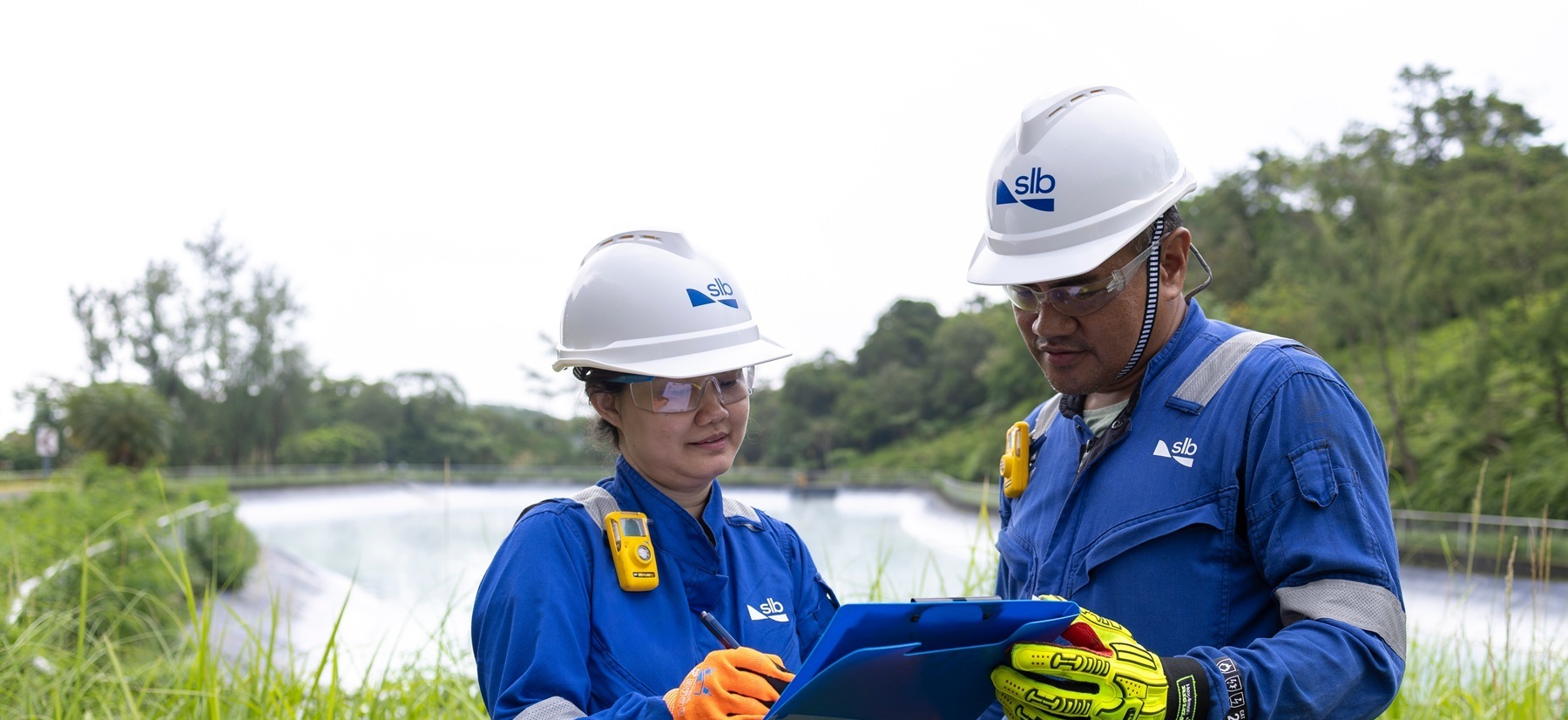
These are the kinds of challenges that bring different areas of expertise together at SLB. Engineers, scientists, data specialists and field experts work across disciplines, combining their knowledge to find new ways forward.
One example is the Retina™ at-bit imaging system. By bringing imaging capabilities directly to the drill bit, Retina gives teams a clearer view of the formation as drilling takes place. Integrated into the drill bit, the technology captures high-resolution images that can help teams better understand what is happening beneath the surface and make more informed drilling decisions.
Making that possible takes a unique combination of skills. Engineers need to design technology that can perform in the demanding environment at the drill bit, while specialists in sensing and data turn complex measurements into information that teams can use.
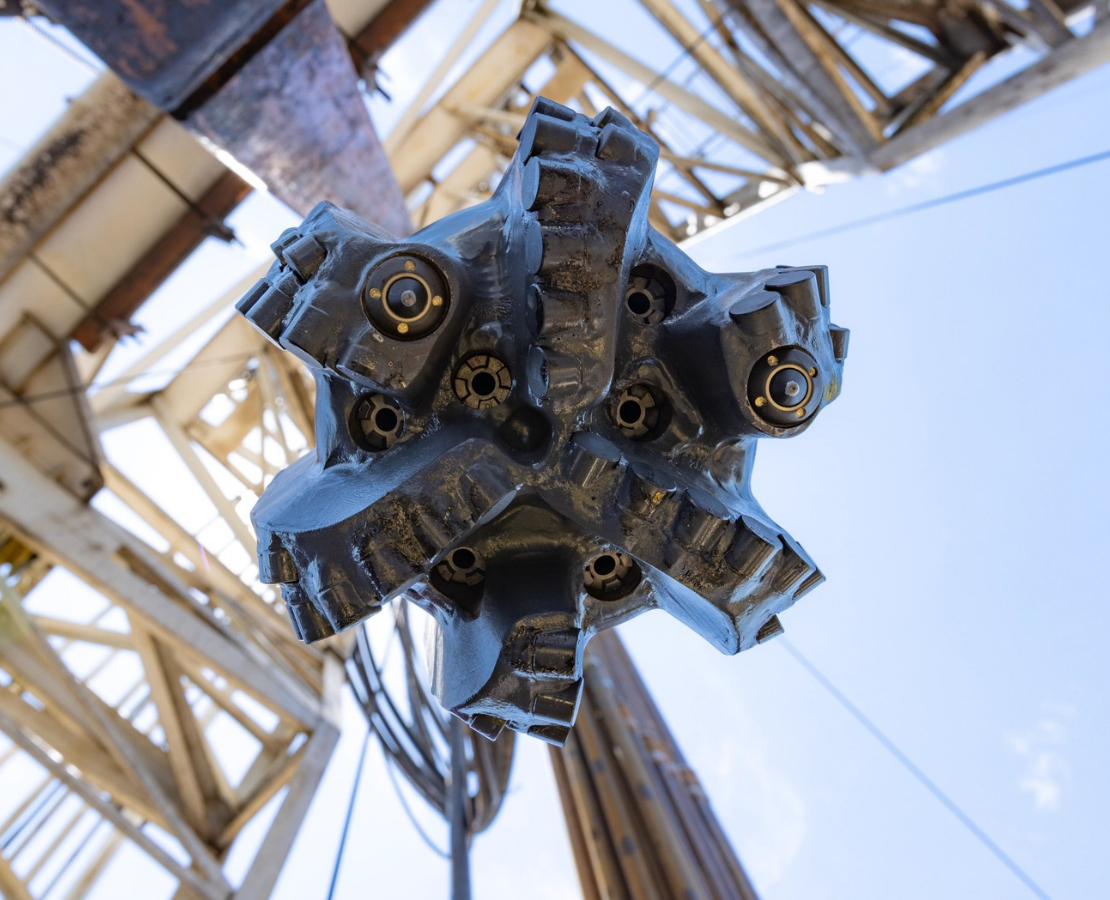
View of a Retina at-bit imaging system
When working on a well, finding reliable ways to control downhole operations, particularly when conditions become challenging, is essential to maintaining safety and operational integrity.
Reliable barriers help teams manage the well and protect the formation throughout its life.
FIV-III™ was developed with this in mind. Its dual-trigger design gives teams greater flexibility in how they activate the valve, while its robust barrier helps maintain control in demanding conditions.
Developing technology like this takes people who understand that reliability starts long before a tool reaches the field. Engineers need to think through how components will perform under pressure and how the technology will respond to the realities of downhole operations. Testing and collaboration across disciplines help turn those ideas into something teams can rely on.
The two technologies are different, but the thinking behind them is connected.
They both began with people asking questions, challenging established ways of working, and bringing different areas of expertise together to find new answers.
That's what innovation looks like at SLB.
It's curiosity backed by expertise. It's having the ambition to take on problems that don't come with straightforward solutions — and the persistence to keep working until you find one.
For our people, every new technology is another opportunity to explore what could be possible, learn from one another and build the next steps of the energy industry.